

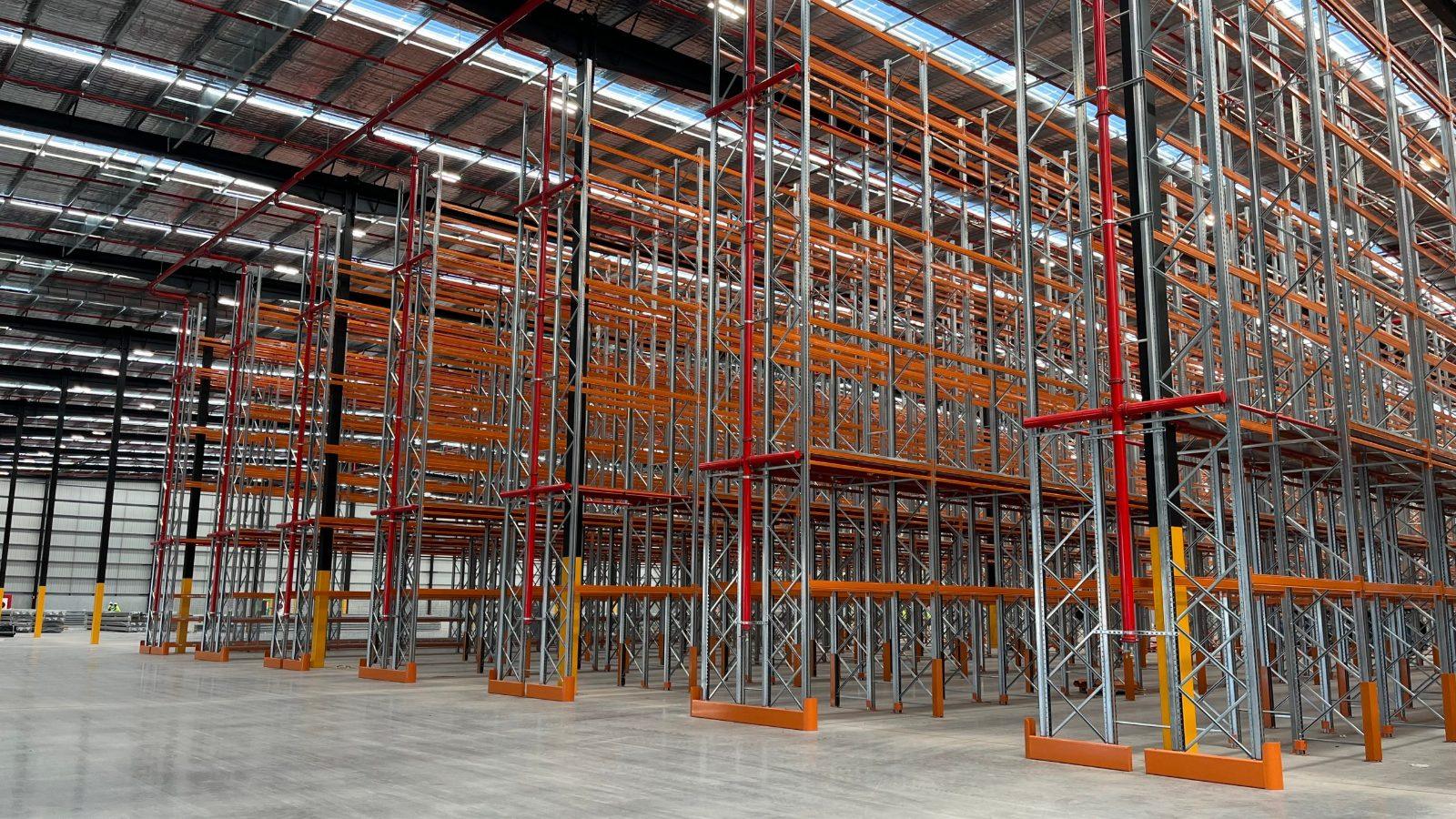
Leaving a warehouse comes with costs. But what if some of those costs could be recovered?
When a business relocates, consolidates operations or approaches the end of an industrial lease, attention naturally turns to the next facility. However, the warehouse being vacated requires equally careful planning. Existing infrastructure, including pallet racking, mezzanines and conveyors, must be assessed for removal, reuse, relocation or recycling.
With early planning and a considered approach to warehouse make-good, businesses can meet their reinstatement obligations while identifying opportunities to recover value, reduce unnecessary waste and manage exit costs more effectively.
Understanding Your Warehouse Make-Good Obligations
Warehouse make-good involves returning an industrial property to the condition required under its lease agreement. Depending on the tenancy, this may include removing tenant-installed infrastructure, repairing floors, reinstating building services and completing other agreed works before handover.
Because requirements vary between properties, reviewing lease conditions early is essential. Confirming the scope with the landlord and relevant advisers helps establish what must be removed, what can remain and which reinstatement works are required.
An important part of this process is documenting the infrastructure within the facility. An inventory of pallet racking, mezzanines, conveyors, shelving, equipment and building services provides a clearer picture of the work ahead.
It also allows businesses to assess which assets may be suitable for reuse or relocation and which materials could potentially be recovered through recycling.
Taking these steps before dismantling begins can reduce unexpected costs and support a more coordinated warehouse exit.
Planning Racking Removal and Material Recovery
Removing warehouse infrastructure requires careful planning to ensure works are completed safely and efficiently. Pallet racking, mezzanines and conveyors may involve structural considerations, service isolation and specialist dismantling requirements.
Coordinating qualified contractors, necessary approvals and the sequence of works can help minimise disruption, particularly where operations continue during the transition.
Before dismantling, businesses should also assess whether existing infrastructure can be reused, relocated or recycled. Where reuse is not practical, recoverable materials such as structural steel may offer recycling value, helping reduce waste and potentially offset some make-good costs.
While returns vary depending on material condition, quantity and market demand, early assessment allows businesses to make more informed decisions about material recovery.
Material Recovery in Practice: Penguin Random House
NMGS’ completed make-good project for Penguin Random House in Scoresby, Victoria, demonstrates the value of coordinated planning and material recovery.
Delivered between September 2025 and January 2026, the project involved the decommissioning and reinstatement of an approximately 17,000 m² facility, including the removal of racking, mezzanines, conveyors and associated services.
Through material recovery and recycling, NMGS helped return approximately $100,000 in recycling rebates to the client, supporting more sustainable resource management.
Despite the complex scope and tight timeframe, the project was completed without additional lease extension costs, highlighting the financial and operational benefits of a well-managed warehouse exit.
Read the Penguin Random House Make-Good Case Study
Managing Handover and Avoiding Additional Costs
Timing is critical in warehouse make-good, as delays in removal, reinstatement or approvals can lead to additional rent, holding costs and contractor expenses.
A coordinated schedule helps align removal works, specialist trades, inspections and approvals with the agreed vacate date, reducing the risk of unexpected delays.
Documenting completed works, confirming the property’s final condition and obtaining landlord sign-off are also essential to ensuring a smooth handover and closing out tenancy obligations.
Considering the Next Stage of Your Warehouse Transition
What happens to your existing storage systems once the warehouse is vacated?
A warehouse exit is also an opportunity to assess whether existing racking and equipment can be reused at the next facility. Factors such as structural condition, building dimensions, load requirements and operational needs all play a role in determining their suitability.
This process often involves different areas of expertise, from make-good and material recovery to storage planning and inspections. National Make Good Solutions and Dexion Victoria support these respective stages, helping businesses manage the transition from their existing premises to the next facility.
A More Considered Approach to Warehouse Make-Good
Warehouse make-good is more than an end-of-lease obligation. With early planning, a clear understanding of reinstatement requirements and a structured approach to infrastructure removal, businesses can manage their warehouse exit with greater confidence.
Assessing opportunities for material recovery, coordinating specialist works and documenting the final handover can help reduce unnecessary waste, improve cost visibility and minimise avoidable delays.
Planning a warehouse relocation or approaching the end of your lease?
Contact our team to discuss your warehouse make-good requirements, material recovery opportunities and storage solutions for your next facility.