

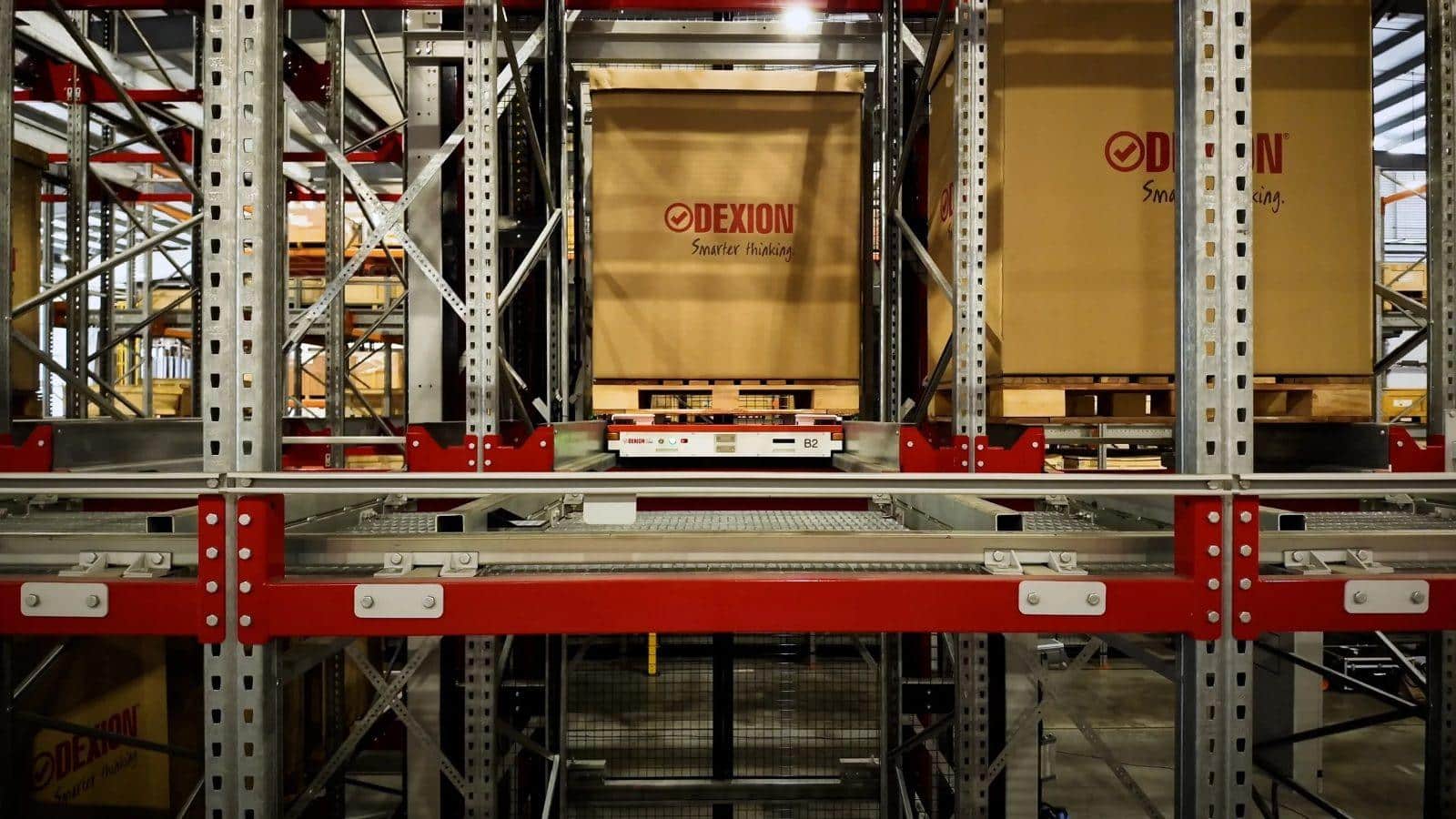
Your automation system might be ready to grow. But can your warehouse keep up?
As warehouse operations expand, warehouse automation is helping businesses manage rising order volumes, improve efficiency and make better use of available space.
But scaling automation isn’t always as simple as adding more robots, conveyors or automated picking equipment. The warehouse itself needs to be ready to support that growth.
A recent example comes from Australian online grocery retailer UMALL, which expanded its Hai Robotics fleet from 16 to 22 robots within an approximately 1,000 m² warehouse as demand and order complexity increased.
It’s a timely reminder that successful automation depends on more than technology. The right infrastructure, layout and operational planning are just as important.
For businesses looking to expand warehouse automation within an existing facility, here are six important checks to consider.
1. Are You Solving the Right Operational Challenges?
Before investing in additional equipment, take a closer look at your existing operations.
Where are the bottlenecks? Are picking processes slowing down during peak periods? Is increasing SKU complexity putting pressure on storage and fulfilment?
Start by reviewing:
- Throughput: Where are delays occurring, and how much additional capacity is needed?
- SKU complexity: Are changing product ranges affecting storage and picking?
- Peak demand: Can existing systems manage busy periods?
- Future growth: Will the proposed solution accommodate increasing volumes?
Understanding these factors helps identify where automation can deliver meaningful improvements.
After all, adding equipment won’t necessarily resolve inefficiencies elsewhere in the operation.
2. Can Your Racking and Storage Layout Support More Warehouse Automation?
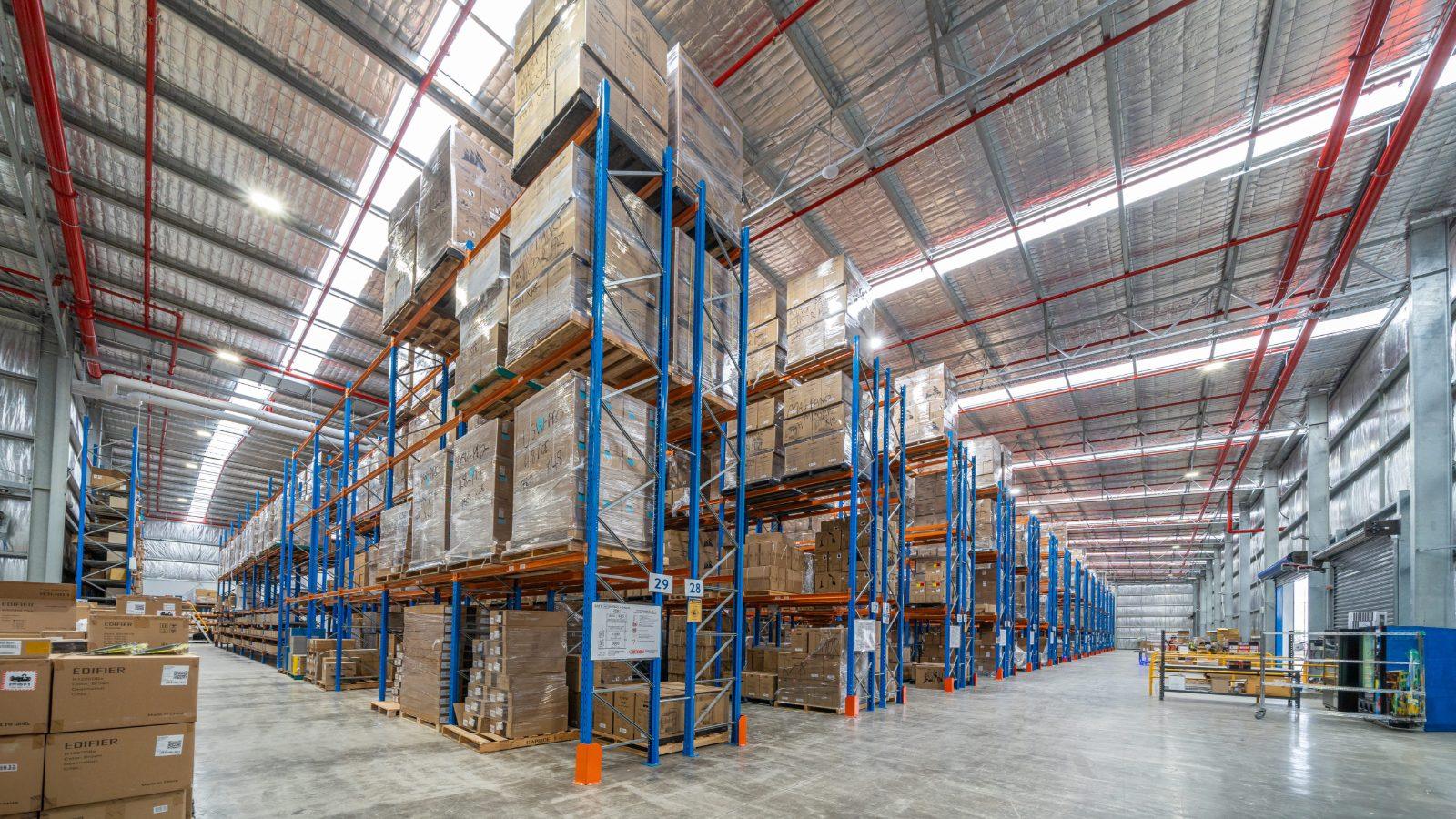
Automation relies on more than the equipment moving products around the warehouse.
Racking configurations, storage density, aisle widths and clearances all influence how effectively automated systems operate.
An existing layout designed around manual handling or forklifts may require adjustments before additional robotics or automated picking equipment can be introduced.
Key considerations include racking compatibility, load capacities, available vertical space, equipment clearances and maintenance access.
In some cases, reconfiguring existing storage infrastructure can create additional capacity without expanding the building’s footprint.
Preparing for these changes may also involve removing redundant infrastructure, modifying existing work areas or reconfiguring sections of the warehouse to accommodate new equipment.
The question isn’t just whether the equipment will fit, but whether the layout will allow it to operate efficiently.
3. How Will Automation Affect Warehouse Safety and Movement?
Introducing additional automation changes how people, products and equipment interact throughout a facility.
Areas previously used for manual handling or forklift movements may require new traffic arrangements, defined operating zones or protective measures.
Before expanding, consider:
- Pedestrian and equipment traffic routes
- Warehouse line marking and designated walkways
- Safety barriers, bollards and protective fencing
- Access points and emergency pathways
- Potential interaction between workers and automated equipment
These changes may require physical modifications to the warehouse, including updated line marking, installation of protective barriers or reconfiguration of existing access routes.
Addressing these requirements early helps businesses plan safer, more organised operations while supporting the integration of new technology.
4. Is Your Building Infrastructure Ready?
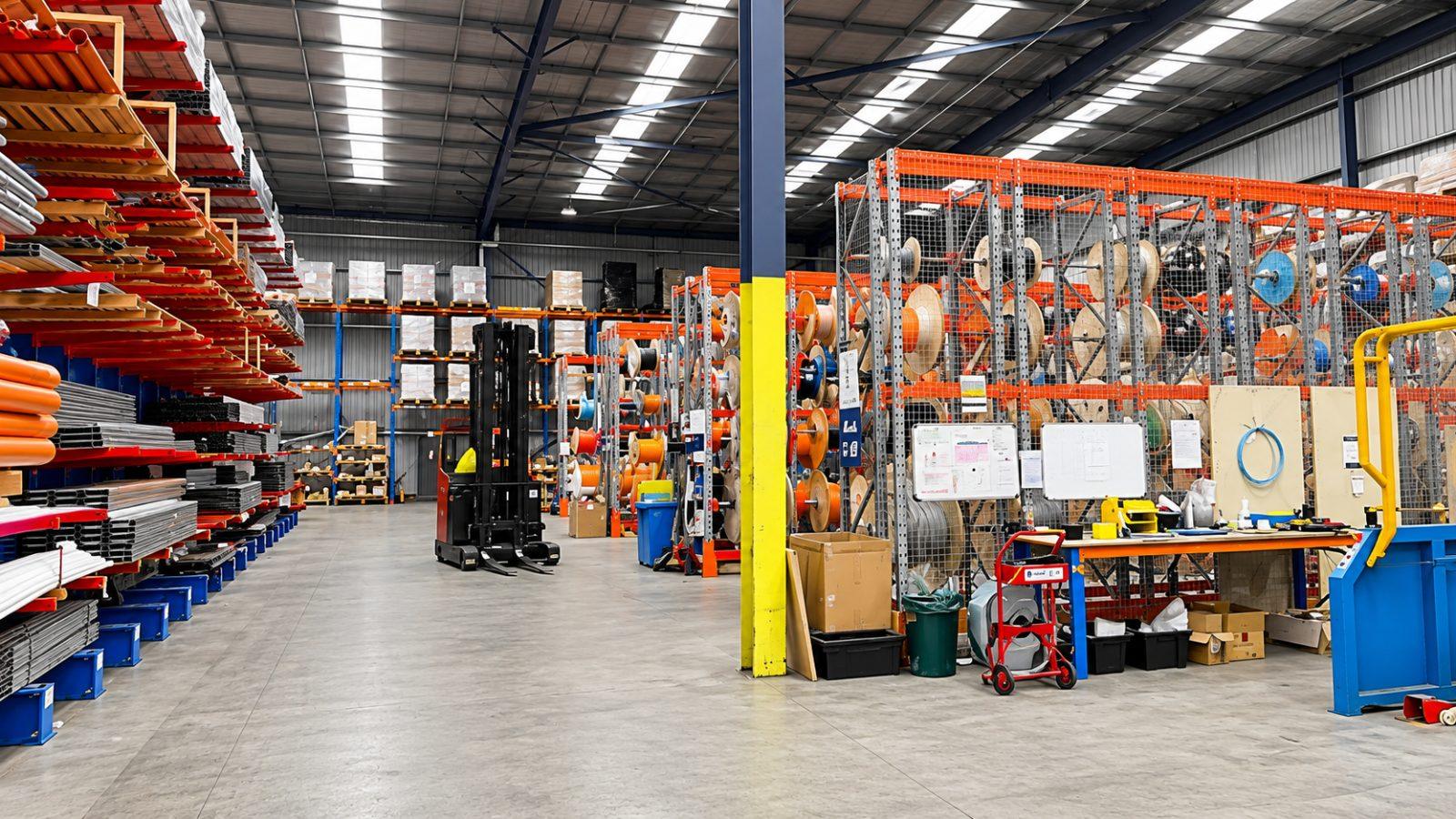
Even when there’s enough physical space for additional automation, the building may need upgrades.
Depending on the technology, expanding automation can place new demands on electrical systems, flooring, network connectivity and other infrastructure.
Important areas to assess include:
- Electrical supply and distribution capacity
- Floor condition, flatness and load-bearing requirements
- Network connectivity and system integration
- Fire protection and emergency access
- Structural modifications and building approvals
These requirements should be assessed by qualified specialists against the proposed equipment and applicable regulations.
Identifying infrastructure limitations is only part of the process. Addressing them may involve floor repairs, removal of redundant structures, alterations to existing work areas or other building modifications.
Planning these works alongside the automation installation can help ensure the facility is physically prepared for the new equipment, reducing the risk of unexpected costs, delays and disruption.
5. Who’s Preparing Your Warehouse for Automation?
Investing in automation is only one part of the process. Before new equipment can be installed, the warehouse itself may need modifications to accommodate the technology and its operational requirements.
This could involve reconfiguring storage areas, removing redundant infrastructure, relocating workstations or modifying existing layouts to create suitable operating environments.
This is where experienced industrial fit-out specialists like National Make Good Solutions (NMGS) play an important role.
Through warehouse reconfigurations, infrastructure removal, refurbishments, floor repairs and facility modifications, NMGS helps businesses prepare their physical spaces for new warehouse automation systems.
Working alongside Dexion Victoria‘s expertise in warehouse storage and automation solutions, NMGS helps bridge the gap between planning new technology and preparing the facility to accommodate it.
After all, successful automation isn’t just about the equipment being installed. It’s about having a warehouse that’s ready to support it.
6. Can You Expand Without Disrupting Daily Operations?
For established warehouses, implementing new warehouse automation while maintaining daily operations can be challenging.
Stock still needs to be received, orders fulfilled and customer expectations met while installation and commissioning take place.
Planning ahead can help minimise disruption through:
- Staged installation and coordinated scheduling
- Temporary storage or alternative picking arrangements
- Equipment testing and commissioning
- Integration with existing warehouse management systems
- Employee training and updated procedures
Where facility modifications are required, coordinating these works with the automation installation is equally important. Scheduling infrastructure removal, refurbishment and reconfiguration works around operational requirements can help minimise unnecessary interruptions.
It’s also important to consider future expansion. Building flexibility into the initial plan can help avoid costly modifications later.
Building a Warehouse That’s Ready to Grow
Warehouse automation can create valuable opportunities to improve productivity, increase storage capacity and support business growth. But adding more technology doesn’t automatically guarantee better performance.
From racking configurations and traffic management to building infrastructure and implementation planning, the surrounding warehouse environment plays an important role.
For businesses operating within existing facilities, preparing for automation may involve more than identifying available space. It can also mean adapting the warehouse itself to accommodate new equipment, workflows and operational demands.
Reviewing these elements early helps businesses identify potential limitations, make informed decisions and prepare for future growth.
Preparing Your Warehouse for the Next Stage of Automation?
Whether you’re expanding existing warehouse automation or exploring new opportunities to improve efficiency, getting the infrastructure right is an important first step.
From warehouse reconfigurations and infrastructure removal to industrial refurbishments and facility modifications, National Make Good Solutions helps businesses prepare their physical warehouse environments for changing operational requirements.
Combined with Dexion Victoria‘s expertise in warehouse storage and automation solutions, these complementary capabilities support a more coordinated approach to preparing facilities for future growth.
Planning changes to your warehouse?
Talk to our team about your facility requirements and how we can help prepare your warehouse for what’s next.