

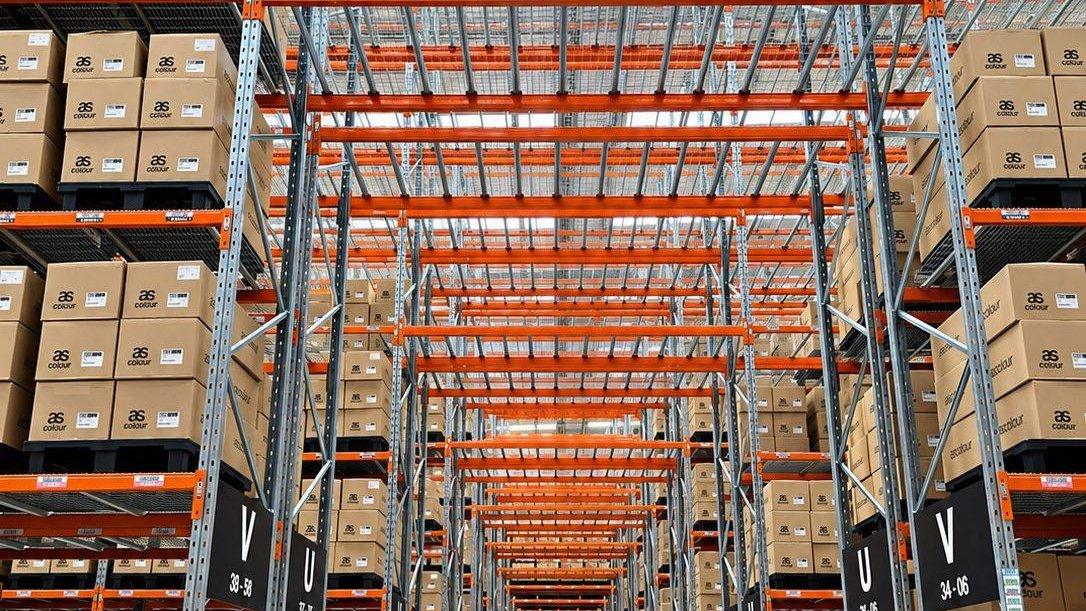
As businesses grow, so do their warehouse requirements. Increasing stock volumes, changing operational demands and limited floor space can make relocating to a larger facility seem like the logical next step.
But before committing to a move, it’s worth asking: Has your warehouse genuinely reached its capacity, or could your existing warehouse space work harder?
For businesses considering warehouse optimisation in Australia, reviewing storage systems, workflows and building infrastructure can reveal opportunities that may otherwise be overlooked.
Is Your Warehouse Space Really at Full Capacity?
A warehouse that feels overcrowded isn’t necessarily operating at its full potential.
Poorly configured racking, underutilised vertical space and inefficient inventory movement can contribute to capacity challenges, even when additional storage opportunities exist.
Before considering relocation, assess:
- Storage utilisation: Are pallet locations, shelving and available building height being used effectively?
- Warehouse layout: Are aisles, staging areas and storage zones appropriately configured?
- Inventory movement: Are slow-moving products occupying valuable, easily accessible locations?
- Operational bottlenecks: Are receiving, picking and dispatch processes creating congestion?
- Future requirements: Can the facility accommodate projected growth?
These considerations help distinguish between a genuine lack of space and opportunities to improve warehouse space utilisation.
How Smarter Warehouse Configuration Can Create More Usable Warehouse Space
Review Your Pallet Racking Layout and Storage Density
Usable warehouse space depends on more than floor area. The type, configuration and accessibility of storage systems influence how effectively a facility operates.
Depending on operational requirements, businesses may benefit from reviewing pallet racking configurations, increasing appropriate vertical storage or reconsidering aisle arrangements.
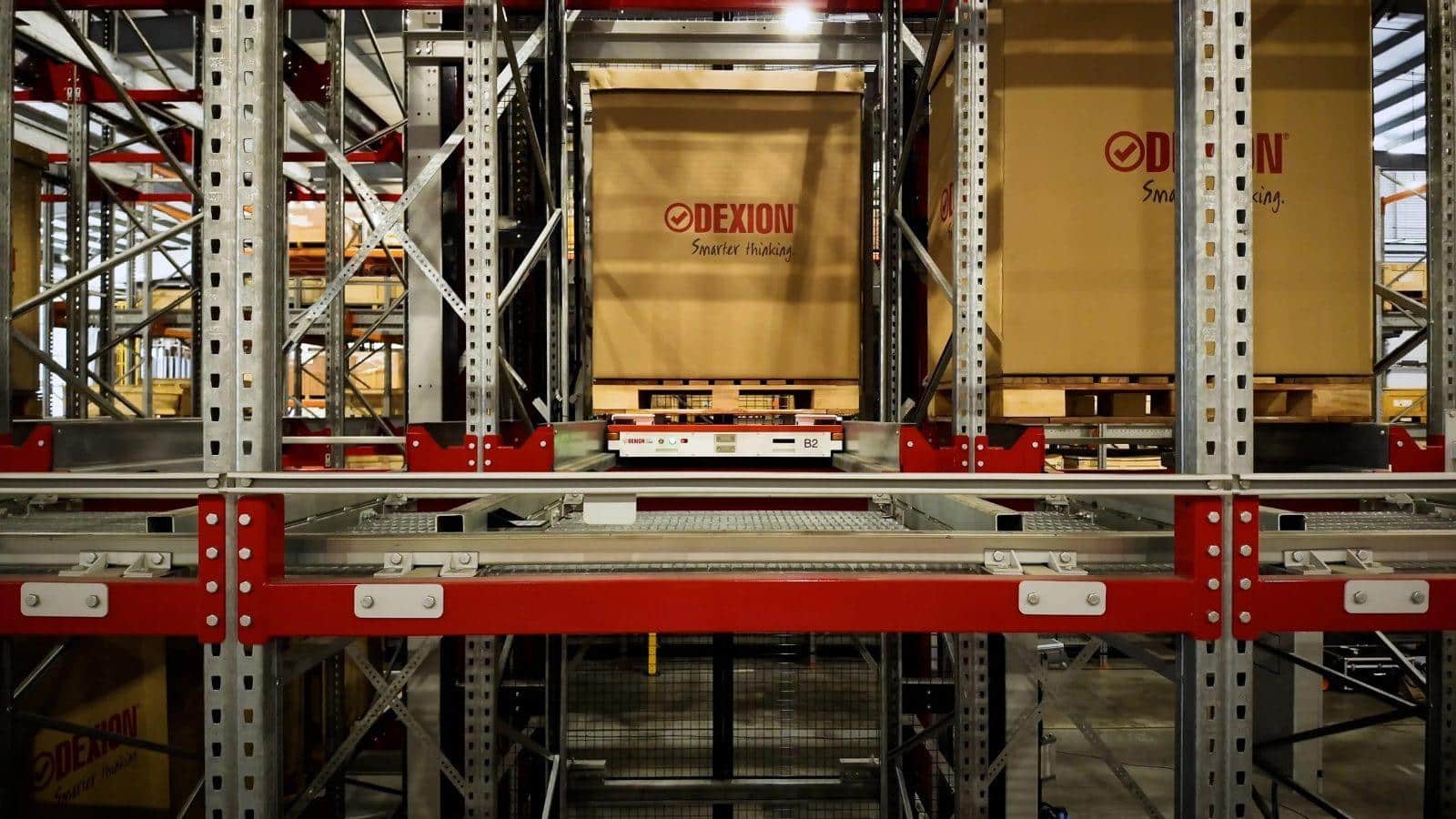
Dexion Victoria specialises in warehouse racking solutions designed around individual operational needs.
The objective isn’t simply to accommodate more pallets, but to balance storage density, accessibility, safety and efficient movement.
Improve Workflow and Prepare for Future Automation
An effective layout should support how people, equipment and inventory move through the warehouse.
Reviewing picking routes, forklift movements, staging areas and dispatch processes can identify opportunities to reduce unnecessary handling and improve workflow.
Businesses considering automation should also assess whether their existing layout and infrastructure can accommodate future systems, helping minimise potentially costly modifications later.
Can a Warehouse Refurbishment Extend the Life of Your Facility?
Sometimes, warehouse limitations extend beyond storage systems.
Building configuration, ageing infrastructure or changing operational requirements may restrict how effectively your warehouse space can be used.
A targeted warehouse refurbishment or industrial fit-out may provide an alternative to relocating.
Depending on the property, improvements could include reconfigured workspaces, upgraded access points, floor modifications, or structural changes.
This was demonstrated in NMGS’s refurbishment of Leader Computers’ Clayton property, where extensive works included concrete repairs, office reconstruction and structural modifications. The project also saw the warehouse roof height increase from 4.4 metres to 9 metres, creating greater potential for vertical storage.
While not every property can accommodate modifications of this scale, the project highlights why it’s worth exploring what an existing facility could offer before committing to relocation.
When Does Warehouse Relocation Make More Sense?
Reconfiguration and refurbishment aren’t always the most practical solutions.
Warehouse relocation may provide a stronger long-term outcome when your existing warehouse space cannot reasonably accommodate future requirements.
Relocation may be worth considering when:
- Business growth exceeds capacity: Forecast inventory or throughput requirements cannot be supported within the existing facility.
- Building limitations restrict operations: Ceiling heights, floor loading, loading facilities or vehicle access no longer meet operational needs.
- Lease conditions influence plans: An approaching expiry, landlord restrictions or limited tenure make improvements less attractive.
- Location affects efficiency: Transport connections, distribution requirements or proximity to customers favour another location.
- Long-term costs favour moving: Refurbishment expenses and ongoing limitations outweigh the benefits of remaining.
Relocation planning should also account for moving expenses, operational downtime, new fit-out requirements and end-of-lease make good obligations.
Reconfigure or Relocate? Compare the Long-Term Value
The decision shouldn’t be based on available warehouse space alone.
Consider the total investment required for each option, including property costs, storage infrastructure, facility modifications, operational disruption and future expansion requirements.
Reconfiguration may provide better value when practical improvements can support growth. Relocation may be more appropriate when physical constraints or operational requirements make continued investment difficult to justify.
Comparing both options over a consistent timeframe provides a clearer basis for making an informed decision.
Make the Most of Your Next Warehouse Decision
Whether the best approach is to reconfigure, refurbish or relocate, making the right decision starts with understanding your facility’s potential and your business’s long-term needs.
Dexion Victoria and National Make Good Solutions (NMGS) are two distinct businesses that work closely together, combining complementary expertise in warehouse storage, pallet racking, refurbishments, industrial fit-outs and relocations. This allows both teams to support a more coordinated approach when projects require expertise across storage and property solutions.
Before committing to a warehouse relocation, speak with the Dexion Victoria and NMGS teams to explore your options and find the most practical solution for your business.